Kraig Hanson
February 22nd, 2026
As someone who speaks about taxes at city meetings, I was asked to write this article which explains property, sales, and utility taxes that help fund our city. Of course, I will also offer my opinions on them as well.
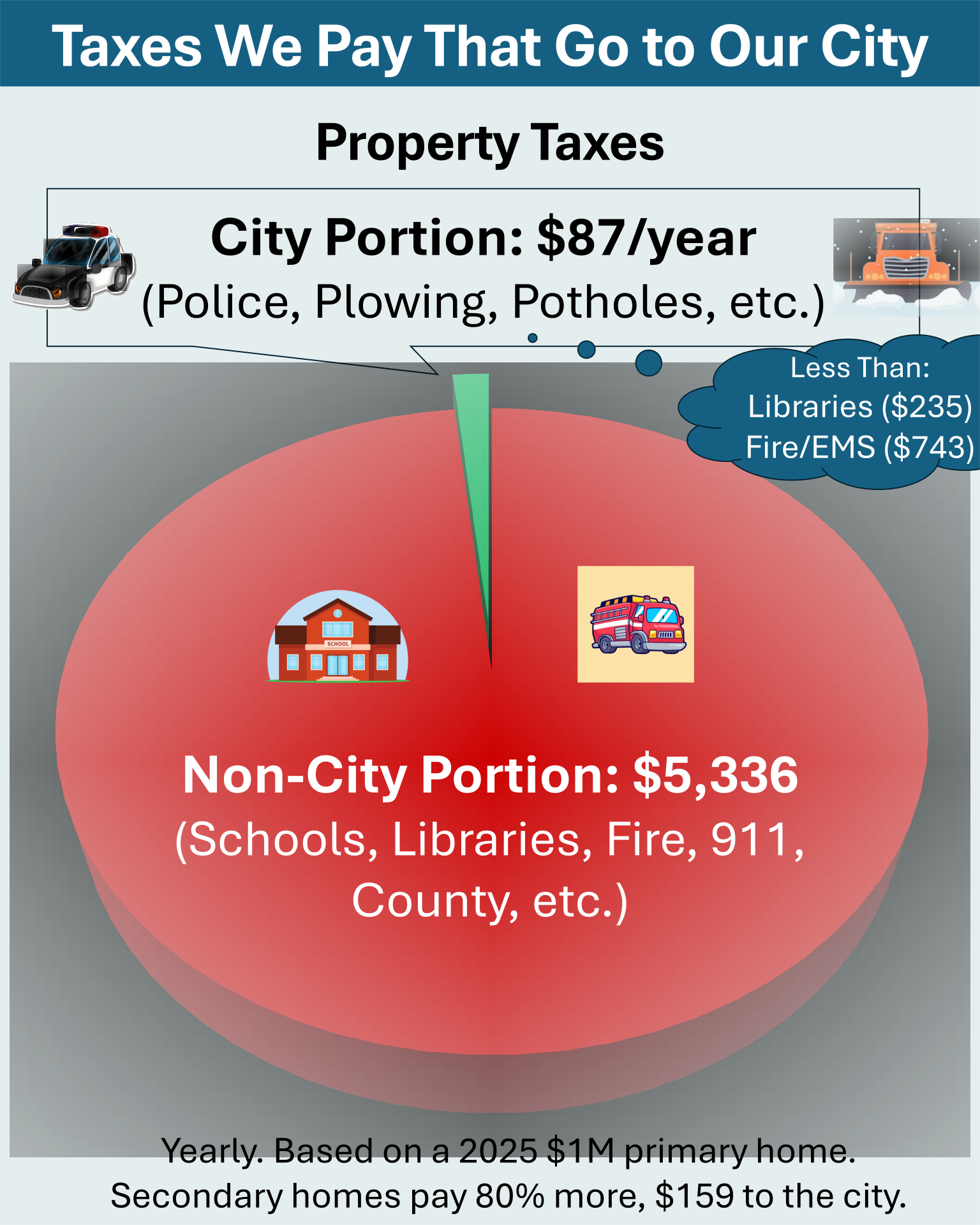
Let's start off with property taxes. Here's a graphic showing the tiny portion of property taxes that end up in our city:
Before I discuss this $87 per year example above, some of you might be saying "What, really?"
Yes, our tax bills are all online. Here’s a home I found that has a market value of almost exactly one million dollars. (I removed the name and address – didn't want to unnecessarily highlight anyone. You can look them up here https://webercountyutah.gov/parcelsearch/ as well as Weber GeoGizmo.)
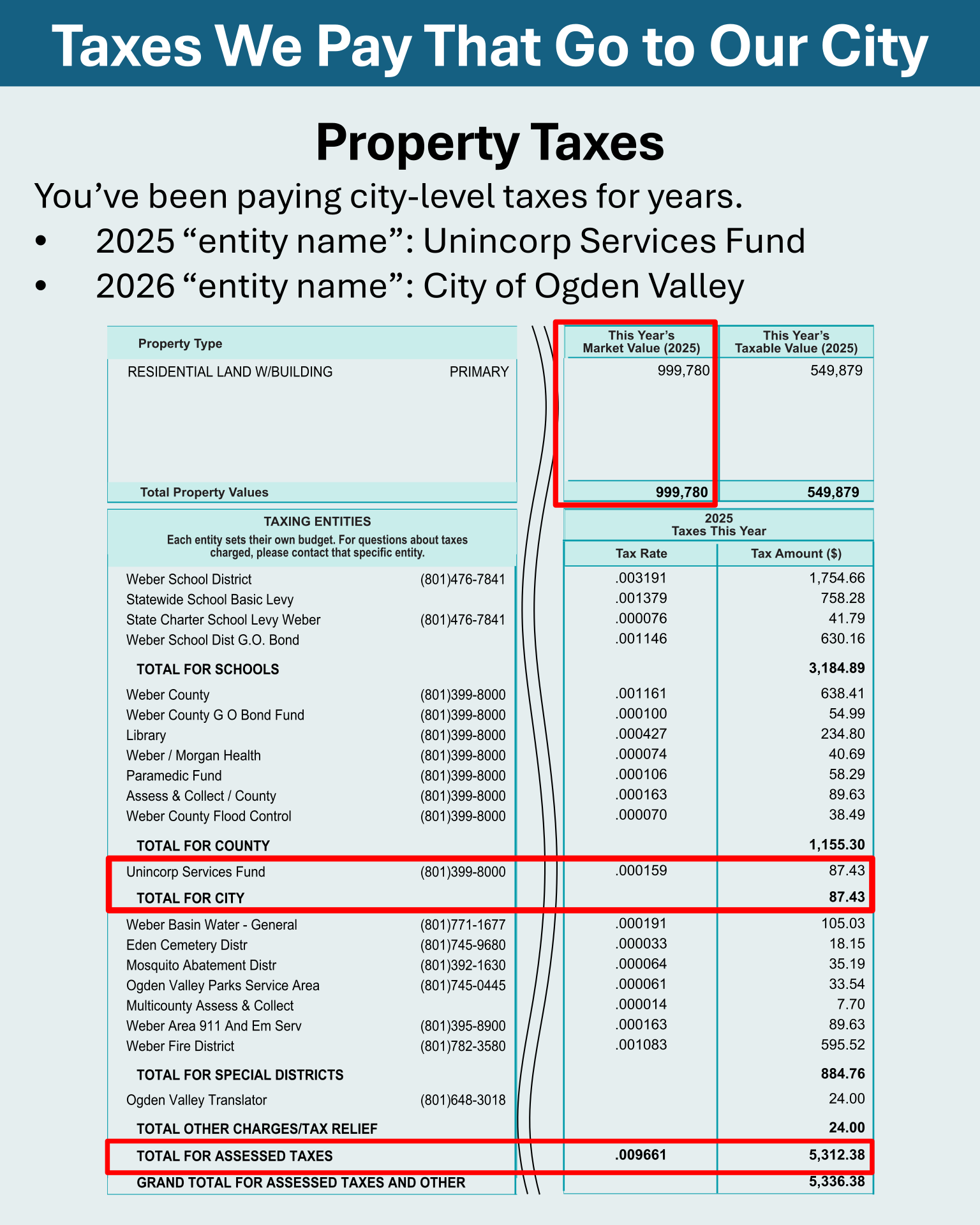
Think about that $87 per year for a $1 million household. Most of these properties probably belong to a couple. That's $44 per person per year, or less than $4 per person per month. Tiny!
So back to my opinions on taxes. During the campaign, I met with every candidate and asked them to guess how much they paid or a typical homeowner paid in city property taxes. If I recall correctly, the closest guess was 400% higher than actual. Safe to say everyone thought their taxes were higher than they were.
I followed up with a scenario. If I call our city and report a big pothole in a road, I don't want the answer to be "Sorry, there's no money." I want the answer to be "Thanks, we'll get right on that."
So, in my opinion, city-level property taxes are quite small. But what about other taxes like sales and the new energy utility taxes? Let's take a look at sales taxes.
As you may know, sales tax is usually 7.25%. I say usually because there are slight differences depending on where the purchase is made. Here's a graphic about how those work:
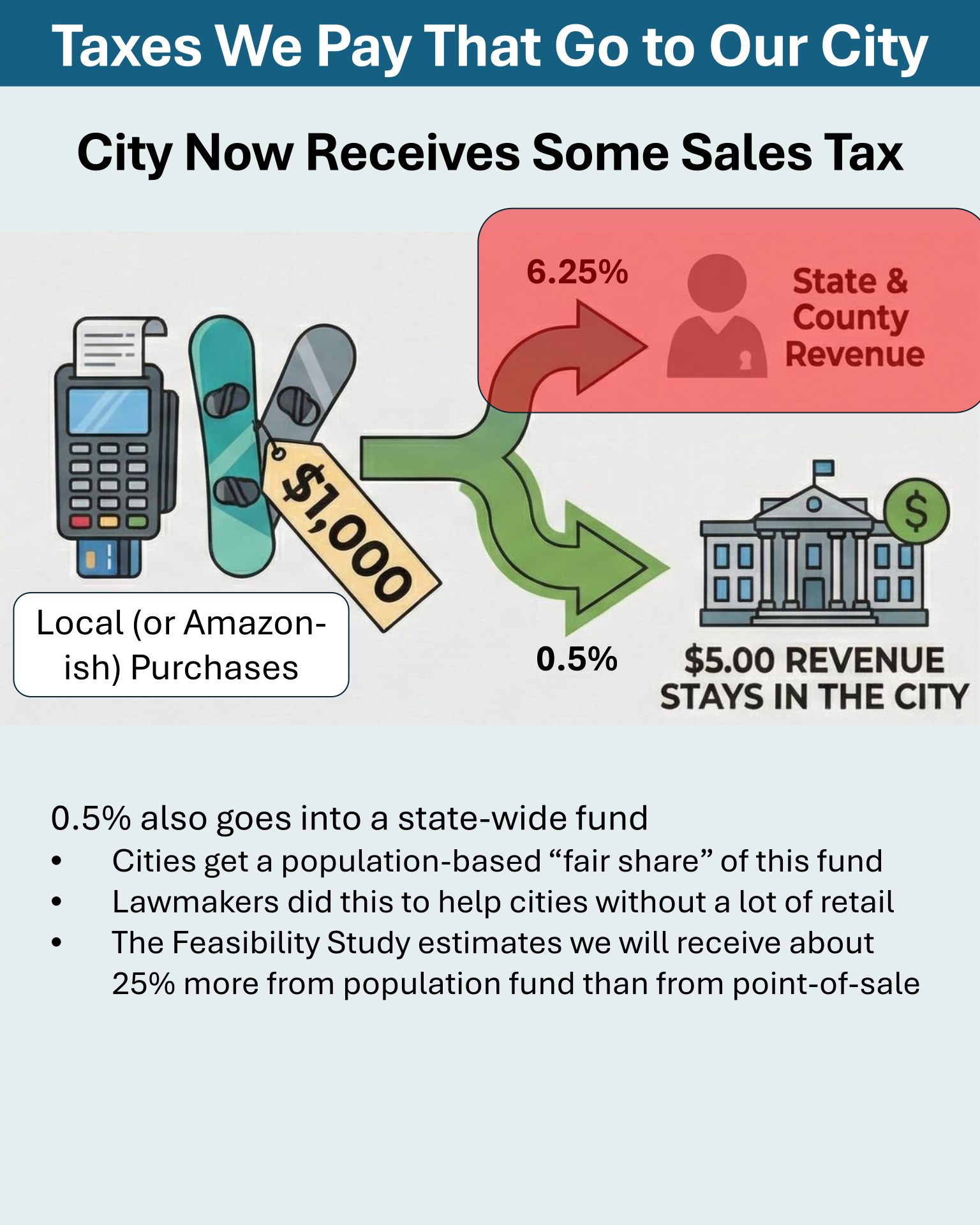
So, if you buy local or purchase from an online store that collects sales tax and doesn't have a retail location in the state, some of the sales tax does make its way to our city.
Our final stop on our tour of city-level taxes is the new gas and electric utility tax.
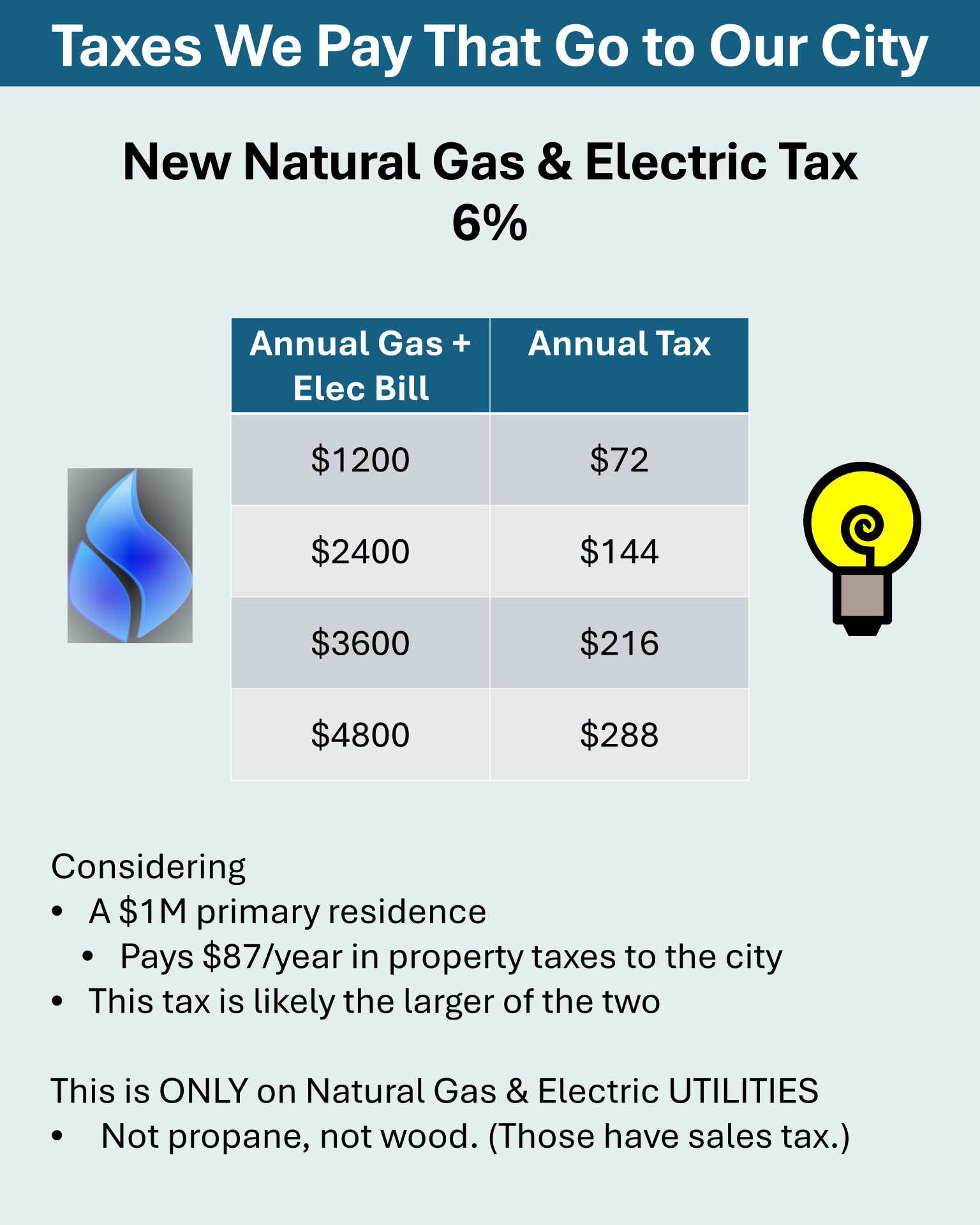
I don't have information on median utility bills for our Valley, but basic Googling leads to figures for a Utah statewide average of $85 per month for electric and $35 per month for gas, or $1440 per year.
Are Valley costs higher? Probably. But I don't know how much, so I can't guess where the typical household will fall on the above chart. (My personal electric bill averages $73 per month, below the Utah average, which surprises me since I water my lawn from a 110 ft. culinary well.)
Another point I continue to make about city-level taxes is mooching versus paying our way. For years, we have paid our city-level taxes to Weber County who provided the city-level services for us. Suppose the tax rate the County set doesn't actually cover the same level of service now that we're a city. What does that mean? It means one of two things:
I consider both of those as being subsidized by our fellow county residents. I think our Valley is a wealthier area and we should pay our fair share. If that means an increase in taxes, I am okay with that.
So, there you have it, taxes you pay that go to our city; property, sales, and utilities. Is it enough to provide the level of service we want from our city? Time will tell.